Meet the CROC Team
We are Medical Professionals.
Our team is composed of the most accomplished, licensed, certified, & skilled Veterinary Medical Physical Rehabilitation specialists in Orange County with more than 10 years serving our community's pets.
Learn about our Credentials
Certified Companion Animal Rehabilitation Therapist
North Carolina State University College of Veterinary Medicine's CCAT program provides the most up-to-date information in the constantly evolving field of companion animal physical rehabilitation taught by active university instructors, expert clinicians, researchers, and recognized industry experts. The CCAT program draws from ongoing research, hands-on training, evidence-based case studies, clinical experience, and leading companies in the field of veterinary medicine. Only Veterinarians, Licensed Veterinary Technicians, Physical Therapists, Physical Therapist Assistants, Occupational Therapists, and select students in one of the accepted professions are permitted to enroll and proof of degree/licensure is required. To begin, CCAT students study animal anatomy and physiology, developing a deep understanding of the body's normal and abnormal cardiovascular functions, skeletal structures and joint biomechanics, nerves, muscles, tendons, ligaments, and fascia including where they're located, what they're attached to and interact with, what their purpose is, how they change with age, how to identify any dysfunction within each structure, and how to best manage associated medical conditions with medication, therapy, and/or surgery. Next, they learn how to perform physical examinations and outcome assessments that go well beyond the typical vet visit, including gait evaluation, measuring range of motion, circumferential musculature measurements, testing reflexes and proprioception, and identifying less obvious signs of pain and inflammation. Once that foundation has been established, CCAT students will study exercise physiology, therapeutic massage, range of motion, stretching, gait training, strengthening exercises, balance and proprioceptive exercises, aquatic exercises, and exercises for wellness/prevention as well as clinically proven modalities such as superficial heating and cooling agents, therapeutic ultrasound, extracorporeal shockwave treatment, pulsed electromagnetic field therapy, laser therapy, and electrical stimulation so that they can prescribe and perform therapeutic exercise programs. After completing those courses, CCAT students are then required to participate in 40 hours of in-clinic observation under the supervision of an approved CCAT or CCRP program graduate, during which time they will draft multiple patient case studies discussing each patient's medical history and presentation, why certain modalities are prescribed, how those treatments work, potential risks of treatment, the patient's response to treatment, and how the prescribed treatment plan may change as the patient's status changes. Upon meeting the above described requirements, CCAT students must then pass both a written and practical exam to demonstrate their proficient understanding of and skill in performing Companion Animal Physical Rehabilitation. Source: North Carolina State University College of Veterinary Medicine
Certified Canine Rehabilitation Practitioner
The University of Tennessee Canine Rehabilitation Certificate Program (CCRP) is the world’s first and best university-based credential program and is open only to Veterinarians, Licensed Veterinary Technicians, Physical Therapists, Physical Therapy Assistants, Occupational Therapists or select students. The curriculum, discipline, testing and review requirements to become a CCRP were developed under strict guidelines of evidence-based results, clinical experience and faculty board review and is taught by an internationally recognized faculty, including board-certified veterinarians, university instructors, researchers, and other experts, many of which are responsible for the publication of a majority of the available literature on canine and feline physical Rehabilitation. CCRP students begin by learning comparative anatomy, commonly seen orthopedic and neurological conditions, response of tissues to disuse and remobilization, and commonly used therapeutic interventions. Next they learn the method of action and clinical application of physical agent modalities used in canine physical rehabilitation including superficial heating and cooling agents, therapeutic ultrasound, extracorporeal shock wave treatment, cold lasers and neuromuscular electrical stimulation as well as the skills necessary to prescribe and provide therapeutic exercise programs for dogs including nutritional modifications, range of motion, strengthening exercises, aquatic exercises and exercises for wellness/prevention. An entire course of the program is dedicated to understanding the pathophysiology of osteoarthritis, including the importance of normal cartilage structure and function, looking at the joint as an organ, and the efficacy of different treatment options. After completing their courses, CCRP students are then required to participate in 40 hours of in-clinic observation under the supervision of an approved CCRP program graduate, during which time they will draft multiple patient case studies discussing each patient's medical history and presentation, why certain modalities are prescribed, how those treatments work, potential risks of treatment, the patient's response to treatment, and how the prescribed treatment plan may change as the patient's status changes. Upon meeting the above described requirements, CCRP students must then pass both a written and practical exam to demonstrate their proficient understanding of and skill in performing Canine Physical Rehabilitation. Source: University of Tennessee Veterinary Academy of Higher Learning
Registered Veterinary Technician
Little known fact - "Veterinary Technician" is a legally protected title in California, despite the term being used to describe most non-veterinarian professionals regardless of their education and state licensure (or lack thereof). A person cannot legally refer to themselves as a Veterinary Technician unless they are Registered as such with the state of California. If they are not registered, they are legally referred to as Veterinary Assistants and do not have the same medical skills and legal abilities as a Registered Veterinary Technician. California RVT's can attain their credentials via two unique pathways. Students seeking their licensure via the Traditional Route must graduate from an American Veterinary Medical Association (AVMA) accredited or California-approved veterinary technology program (typically an associate’s or bachelor’s degree). Their clinical experience is integrated into the accredited curriculum and they are eligible to apply for the Veterinary Technician National Exam (VTNE) through the American Association of Veterinary State Boards upon graduation. Highly experienced Veterinary Assistants may also apply for the VTNE upon graduation from an approved post-secondary Veterinary Technology program and completion of a minimum of 4,416 hours of clinical practice under the direct supervision of a California-licensed Veterinarian. Alternate Route students must also submit written documentation from their supervising veterinarian(s) attesting to their proficiency in specific veterinary medical skills. Regardless of route, education to become an RVT includes patient examinations, emergency procedures, laboratory procedures, diagnostic imaging, surgical assisting, anesthesia, animal nursing, nutrition, dentistry, animal behavior, and pharmacology for multiple animal species as well as client communications, medical recordkeeping, and knowledge of California's laws and regulations governing veterinary medicine. Due to their extensive knowledge, experience, and state licensure, RVT's may perform more advanced veterinary medical procedures with less Veterinarian supervision required. They must renew their California license every 2 years and must complete a minimum of 20 hours of formal continuing education during each renewal period. Source: California Veterinary Medical Association, American Association of Veterinary State Boards
Doctor of Veterinary Medicine
The average veterinarian completes 4.5 years of undergraduate education, taking classes such as biology, chemistry, organic chemistry, biochemistry, physics, microbiology, anatomy and physiology, math, animal science, and more just to prepare for veterinary school. Some veterinarians already have a Master's degree or PhD before they enter veterinary school. Others may enter a dual DVM/MS or DVM/PhD program, and some go on after veterinary school to get additional degrees and/or specialty training. The next 4 years in veterinary school is equal to what human medical school students receive – but for multiple animal species instead of just one. Course subjects include anatomy, physiology, pharmacology, microbiology, immunology, pathology, toxicology, biochemistry, surgical techniques, and many more, as well as in-depth courses on specific animal species and body systems. The early years are mostly spent in the classroom and laboratory to prepare the students for client-owned animal patients. Veterinary students get additional education and experience during clinical rotations, seeing animal patients under the close supervision of experienced mentors. Once they graduate from a U.S. veterinary school, they receive a Doctor of Veterinary Medicine (DVM) or Veterinary Medical Doctor (VMD) degree (the degrees are different in other countries). They are now veterinarians and are qualified to perform the duties of the profession. A number of veterinarians also seek additional training in the form of an internship (usually one year) and/or residency (approximately 2-3 years) and may become board certified in a specialty area. In order to practice veterinary medicine on animal patients, they must be licensed in each state in which they practice. State licensure requires a veterinarian to pass the North American Veterinary Licensing Examination that tests their veterinary knowledge. California also requires a veterinarian to pass the California Veterinary Law Exam, to test their knowledge of the state's laws and regulations governing veterinary medicine. Veterinarians must renew their California license every 2 years and must complete a minimum of 36 hours of formal continuing education during each renewal period. Source: American Veterinary Medical Association, California Veterinary Medical Association
Companion Animal Pain Management Certification
Graduates of the University of Tennessee’s Companion Animal Pain Management Certificate Program have had specialized training to best identify and treat a broad spectrum of painful conditions to help patients feel better fast. The CAPM program is exclusively offered to Licensed Veterinary Technicians and Veterinarians. CAPM students learn about the most effective, evidence-based treatment options and how to best utilize them in a multimodal approach to maximize their patient’s recovery as well as a strong focus on understanding the neurobiology of pain mechanisms and how various treatments interact with them. CAPM graduates have also undergone training to better communicate with pet owners about their pet’s pain and teach them how to be confident, active participants in their pet’s care with the goal of improving compliance with the prescribed treatment plan and optimizing the pet’s response to treatment. Source: University of Tennessee Veterinary Academy of Higher Learning
Certified Veterinary Acupuncture Therapist
Certifications in Veterinary Acupuncture Therapy are offered by multiple esteemed institutions but all are exclusive to Licensed Veterinarians and students who will become Licensed Veterinarians before completing the program. CVAT programs begin with in-depth anatomy and function of all the major acupuncture points including the neurological, musculoskeletal, fascial, and lymphatic structures associated with each for multiple species of animals. With that foundation in place, students learn how acupuncture influences pain modulation and neurological function so that they can then apply specific techniques, combinations, and even the addition of electroacupuncture to treat a wide variety of medical conditions. Given the delicate nature of acupuncture, it’s imperative that veterinarians become proficient in low-stress animal handling and quick, confident needle placement. As Acupuncture originates from Traditional Chinese Medicine, some programs will approach training with more focus on the concepts of Chi, Meridians, and Channels as opposed to Western Medicine’s focus on anatomy and physiology. To earn their certification as a Veterinary Acupuncture Therapist, Veterinarians must complete all courses and hands-on labs, submit case studies, and pass both a written and practical exam. Source: Canine Rehabilitation Institute, Chi University
Canine Arthritis Management Practitioner
North Carolina State University College of Veterinary Medicine's CAMP program is the most comprehensive overview of canine arthritis management for veterinary professionals worldwide. Through case-based learning, students delve into all aspects of the identification, diagnosis, and multimodal management of the disease, as well as palliative/end of life care considerations. Emphasis is placed on following an evidence-based multimodal approach to management, with consideration of the biopsychosocial care model and focus on improving client compliance through enhanced communication and owner education. CAMP graduates are equipped with the latest research findings regarding pain medication, weight management, physical rehabilitation therapy, nutrition and supplements, injectable and intra-articular treatments, and surgical techniques to ensure patients receive the most effective treatment and remain comfortably active. Source: North Carolina State University College of Veterinary Medicine
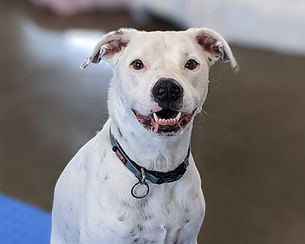

Wilbur
Dogtor of Veterinary Medicine

Lauryn Harker, CCAT, CCRP, CAPM
Practice Owner & Rehab Practitioner

Giuliana Troutman, CCRP, RVT
Rehab Practitioner & Veterinary Technician

Tiffany Downing, RVT
Practice Manager & Veterinary Technician

Ingrid Valenzuela, RVT
Lead Veterinary Technician

Lorena Cortez, RVT
Veterinary Technician

Kathleen Gross, RVT
Veterinary Technician

Melody Wain, RVT
Veterinary Technician

Amy Yoshizaki
Veterinary Assistant & Animal Massage Therapist

Talitha Baumann
Veterinary Assistant

Nikki
Patient Care Coordinator

Princess Reyes
Patient Care Coordinator

Heidi Tschauner, DVM, CCAT, CAMP
Veterinarian & Rehab Therapist

Lauren Brower, DVM, CCAT, CVAT
Veterinarian, Rehab Therapist, & Acupuncturist

Katie Fischbach, DVM, CVAT, CCAT
Veterinarian, Rehab Therapist, & Acupuncturist

Tara Haddad, DVM
Veterinarian

